Game development is moving fast, and 2025 is shaping up to be a wild ride. With tech evolving and player expectations growing, the industry is diving into some seriously cool stuff. From AI-driven characters to cloud gaming that works on any device, the future is looking bright. Let’s break down the trends you absolutely need to know about.
Key Takeaways
- AI is changing the game with smarter NPCs and tools for developers.
- Cloud gaming is making high-quality gaming possible on almost any device.
- AR and VR are blending reality and fantasy like never before.
- Transmedia storytelling is turning games into full-blown entertainment universes.
- Sustainability is becoming a focus, with eco-friendly game design and energy-saving tech.
AI Revolutionizing Game Development
Adaptive Non-Playable Characters (NPCs)
Imagine NPCs that don’t just follow a script but actually learn from your gameplay. AI is making this possible. These characters can adapt to how you play, change their strategies, and even develop new storylines based on your decisions. This means every playthrough could feel unique. For example, in a stealth game, an NPC might recognize patterns in how you hide and adjust their behavior to counter you. It’s like playing against a human opponent, only smarter and more persistent.
Generative AI for Game Design
Generative AI is a game-changer for developers. Instead of spending hours on repetitive tasks like creating textures or designing basic environments, AI can handle these jobs in minutes. This doesn’t just speed things up—it also frees up creative minds to focus on the bigger picture. Developers can now dream bigger, designing expansive worlds and intricate storylines without being bogged down by the details. Some studios are already using AI to generate realistic landscapes and dynamic weather systems, making games feel more alive than ever.
| Feature | Traditional Design | AI-Powered Design |
|---|---|---|
| Time to Create Assets | Weeks | Hours |
| Cost | High | Lower |
| Customization | Limited | Virtually Infinite |
AI-Driven Virtual Assistants
AI isn’t just behind the scenes—it’s also stepping into the spotlight. Virtual assistants in games can guide players, offer tips, and even provide emotional support during tough levels. Think of them as your in-game buddy who’s always got your back. These assistants can analyze your playstyle and suggest strategies tailored just for you. Plus, they’re not static; they evolve as you progress, becoming more helpful and interactive over time.
AI is not just a tool but a collaborator, shaping the future of gaming in ways we’re only beginning to understand.
From smarter NPCs to faster design workflows and personalized assistance, AI is revolutionizing how games are made and played. The future of gaming is here, and it’s powered by artificial intelligence.
The Rise of Cloud Gaming
Cross-Platform Play Made Seamless
Cloud gaming has redefined how players connect across devices. Gone are the days of being tied to a single console or PC. With cloud-based systems, gamers can pick up where they left off, whether they’re on a laptop, smartphone, or even a smart TV. This flexibility makes gaming more inclusive and accessible, breaking down barriers between platforms. Imagine starting a game on your console at home and seamlessly continuing it on your phone during your commute. It’s not just convenience; it’s a whole new way to experience gaming.
Real-Time Streaming Without Hardware Limits
One of the biggest game-changers is the ability to play high-end games without needing expensive hardware. The heavy lifting is done by remote servers, meaning your device only needs to stream the game. This opens the door for anyone with a decent internet connection to enjoy blockbuster titles. Plus, it eliminates the hassle of downloads and installations. No more waiting hours for updates—just jump in and play.
Expanding Gaming Libraries in the Cloud
Cloud gaming platforms are also expanding their libraries at a rapid pace. Players can now access hundreds, sometimes thousands, of games without needing physical copies or massive hard drives. It’s like having a virtual game store at your fingertips. Subscription models are becoming the norm, offering players a buffet of gaming options for a flat monthly fee. This shift is making gaming more affordable and giving players the chance to explore titles they might never have tried otherwise.
Cloud gaming isn’t just a trend—it’s reshaping the entire gaming landscape. With its focus on accessibility, flexibility, and affordability, it’s easy to see why so many are excited about its future.
Augmented and Virtual Reality Transforming Gameplay
Augmented Reality Enhancing Real-World Interaction
Augmented Reality (AR) has changed the way we interact with games by blending the digital and physical worlds. Imagine playing a game where your backyard becomes a battlefield or your living room turns into a treasure hunt. That’s the magic of AR. It overlays digital elements onto the real world, making gameplay feel immediate and personal. Games like Pokémon Go paved the way, and now more titles are pushing boundaries with features like real-time mapping and high-definition 3D visuals. AR is no longer just a gimmick; it’s becoming a core part of how we play.
Virtual Reality Creating Immersive Worlds
Where AR brings the game into your world, Virtual Reality (VR) takes you into its world. With VR, you’re not just playing a game—you’re living it. Whether you’re piloting a spaceship or exploring a haunted mansion, the experience feels incredibly real. Recent hits like Half-Life: Alyx and Blade and Sorcery have shown just how far VR has come. From 360-degree visuals to precise motion tracking, VR is all about creating a sense of presence. And it’s not just for gaming anymore; VR is finding its way into social spaces and even workplaces, making it a versatile technology.
Blending AR and VR for Mixed Reality Experiences
Why choose between AR and VR when you can have both? Mixed Reality (MR) combines the best of both worlds, allowing digital objects to interact with the physical environment and the player. Think of it as the next step in immersive gaming. For instance, you could use real-world objects as tools in a virtual game or team up with friends who are playing from entirely different realities. MR is still in its early days, but it’s clear that it holds massive potential for creating unique, blended experiences that feel groundbreaking.
The future of gaming lies in its ability to merge realities, whether through AR, VR, or MR. These technologies are not just trends; they’re shaping how we connect, play, and experience stories.
Transmedia Storytelling in Gaming
Video Game Adaptations in Film and TV
Not so long ago, the idea of adapting video games into movies or TV shows felt like a gamble. But now, it’s clear that this trend is here to stay. The massive success of shows like The Witcher and The Last of Us has proven that when done right, these adaptations can captivate audiences across multiple platforms. In 2025, fans are buzzing about upcoming projects like The Legend of Zelda movie and Mass Effect TV series. This cross-medium storytelling is breaking barriers, bringing gaming narratives to entirely new audiences.
Interactive Storylines Across Media
Transmedia storytelling isn’t just about passive watching—players and viewers now expect to interact with the story. Games like Minecraft have inspired books, movies, and even educational tools, creating a shared universe where fans can engage in different ways. Imagine playing a game where your choices influence a companion app or even a related TV series. This level of interactivity adds depth, making the experience feel personal and unique.
Building Expansive Gaming Universes
Developers are no longer thinking in silos. Instead, they’re crafting entire universes that span games, comics, movies, and more. Take League of Legends, for instance, which expanded its universe with the animated series Arcane. These expansive universes allow for a richer narrative, giving fans multiple entry points into the story. Whether you’re a gamer, a reader, or a movie buff, there’s a piece of the puzzle waiting for you.
Evolving Gaming Niches and Communities
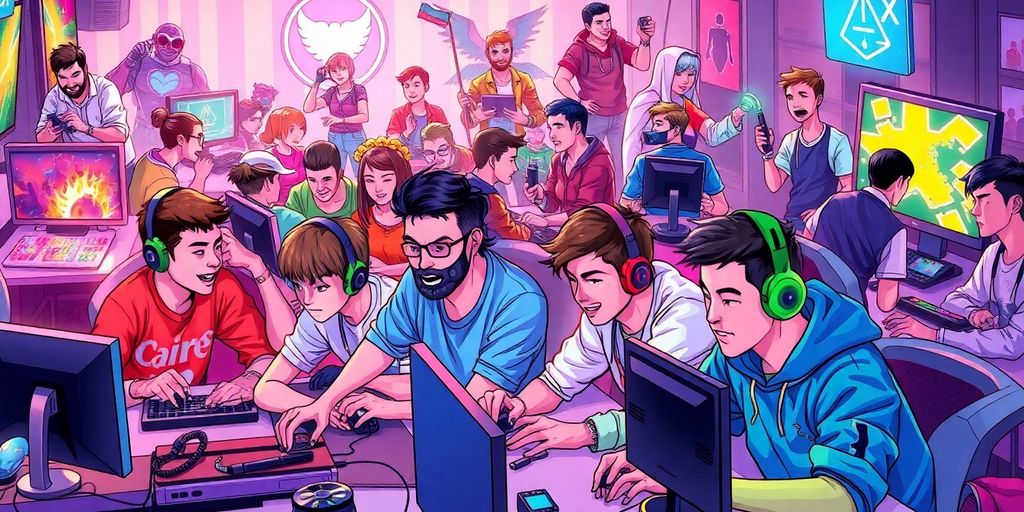
The Growth of Mobile Gaming Audiences
Mobile gaming has exploded in popularity, reaching audiences that traditional gaming platforms often miss. With smartphones now more powerful than ever, mobile gaming is no longer a casual pastime—it’s a serious contender in the gaming world. Games like Genshin Impact and Call of Duty Mobile are proof that high-quality, console-like experiences can thrive on mobile devices.
Key factors driving this growth include:
- Affordable access to smartphones and data plans.
- A huge variety of games catering to every type of player.
- The rise of cloud gaming, allowing players to enjoy AAA titles on their phones.
Expect mobile gaming to keep growing, especially in regions where console and PC gaming were previously out of reach.
Content Creation as a Gaming Niche
Gaming isn’t just about playing anymore; it’s about creating. Platforms like Twitch and YouTube have turned gamers into entertainers, educators, and influencers. Whether it’s walkthroughs, reviews, or live streams, content creation has become a massive part of gaming culture.
Popular content types include:
- Gameplay tutorials and tips.
- Reviews that help players decide if a game is worth their time.
- Live-streamed events where audiences can interact in real time.
This shift has also opened doors for gamers to build personal brands and even turn their passion into a career. As more tools and platforms emerge, the line between gamer and creator continues to blur.
Diverse Representation in Gaming Communities
Representation in gaming has come a long way, but there’s still work to do. Today’s players want to see themselves reflected in the games they play and the communities they join. Diverse representation isn’t just a nice-to-have—it’s a demand.
Here’s what’s changing:
- More games are featuring inclusive characters and storylines.
- Communities are forming around shared identities, creating safe spaces for underrepresented groups.
- Developers are listening to feedback and making strides toward inclusivity.
Gaming is becoming a place where everyone can feel welcome, and that’s a trend worth celebrating.
Gaming niches and communities are evolving faster than ever, driven by technology, creativity, and a push for inclusivity. The future of gaming isn’t just about better graphics or bigger worlds—it’s about making space for everyone to play and belong.
Sustainability in Game Development
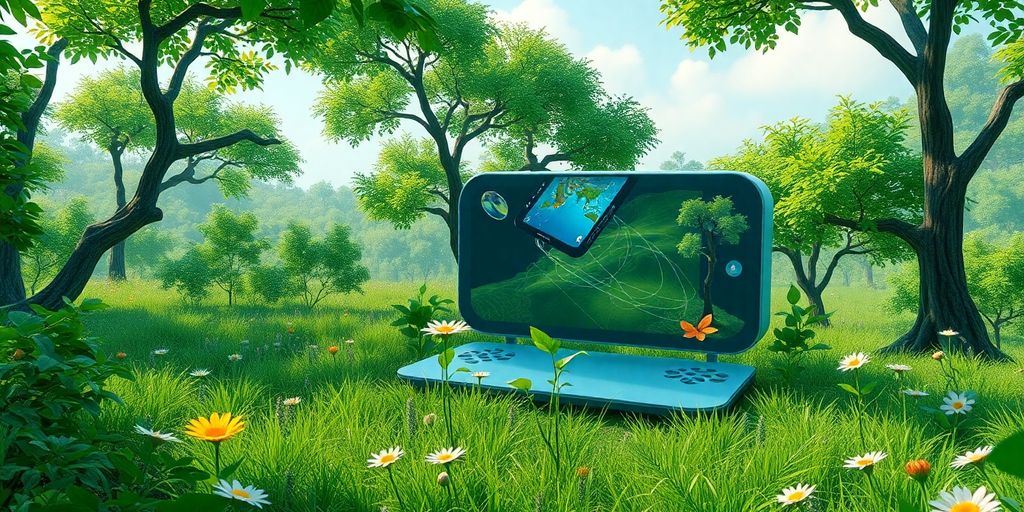
Eco-Friendly Game Design Practices
Developers are starting to rethink how games are made, aiming to minimize their environmental footprint. From using renewable energy in game studios to creating digital assets more efficiently, the industry is taking steps to go green. One promising approach is designing games with energy-efficient coding practices, which reduce the power needed during gameplay. Some studios are even experimenting with virtual environments that simulate real-world ecosystems, raising awareness about conservation while keeping players entertained.
Reducing Energy Consumption in Gaming
Gaming hardware, especially consoles and PCs, can be power-hungry. But in 2025, there’s a growing push for energy-efficient technology. For instance, consoles now include low-power modes, and cloud gaming platforms are optimizing their data centers to consume less energy. Here’s a quick look at how energy-saving measures stack up:
| Initiative | Potential Energy Savings |
|---|---|
| Low-power console modes | 20-30% |
| Optimized cloud servers | 40-50% |
| Energy-efficient GPUs | 15-25% |
These changes not only help the planet but also cut costs for players and companies alike.
Promoting Awareness Through Game Narratives
Games are a powerful medium for storytelling, and developers are using this to spotlight sustainability. Imagine a game where your choices directly impact a virtual environment—players might see forests regrow or decay based on their actions. Titles like these not only entertain but also educate, making players think about their real-world impact. Sustainability-themed games are becoming more common, turning awareness into action.
The gaming industry is proving that fun and responsibility can go hand in hand. By embracing sustainable practices, developers are showing that even small steps can lead to meaningful change.
The Future of Multiplayer Experiences
Massively Multiplayer Online Role-Playing Games (MMORPGs)
MMORPGs have been around for decades, but they’re evolving in ways we couldn’t have imagined. Developers are now focusing on creating persistent worlds where players’ actions leave lasting impacts. Imagine completing a quest and seeing the world around you permanently change as a result. These games are also leaning into cross-platform compatibility, letting players on consoles, PCs, and even mobile devices join the same universe. The future of MMORPGs is all about breaking boundaries, both in terms of technology and player interaction.
Social Gaming and Community Building
Gaming is no longer just about the game—it’s about the people you meet along the way. Social gaming has become a massive trend, with platforms integrating features like in-game voice chats, live-streaming options, and community hubs. Players can now form friendships, rivalries, and even entire communities around their favorite games. Some games even allow players to host their own events, turning virtual worlds into places for real social interaction. It’s like having a digital neighborhood where everyone shares your interests.
Innovations in Cross-Device Multiplayer
Gone are the days when you needed the same console as your friends to play together. Cross-device multiplayer is making gaming more inclusive than ever. Whether you’re on a high-end gaming PC or a budget smartphone, you can still join the same matches as your friends. Developers are also experimenting with new technologies like cloud gaming to make this even smoother. For example, you could start a game on your console at home and continue it on your phone while commuting. This flexibility is reshaping how and where we play.
Wrapping It Up: The Future of Gaming Awaits
As we look ahead to 2025, it’s clear that gaming is evolving in ways we couldn’t have imagined just a few years ago. From AI-driven characters to immersive AR experiences, the possibilities seem endless. Whether you’re a casual player or a hardcore gamer, there’s something exciting on the horizon for everyone. The gaming world is more than just entertainment—it’s a space for creativity, connection, and pushing boundaries. So, grab your controller, keyboard, or VR headset, and get ready to dive into what’s next. The future of gaming isn’t just coming—it’s already here. Let’s play!
Frequently Asked Questions
How is AI transforming non-playable characters (NPCs) in games?
AI is making NPCs smarter and more dynamic. They can now adapt to a player’s actions, learn strategies, and create their own storylines, making gameplay more engaging.
What is cloud gaming, and how does it benefit players?
Cloud gaming allows players to stream games directly from remote servers without needing high-end hardware. This means you can play on multiple devices without worrying about storage or performance issues.
How are augmented and virtual reality changing gaming?
AR and VR are making games more immersive. AR blends digital elements with the real world, while VR creates fully immersive virtual environments. Together, they offer new ways to play and interact.
What is transmedia storytelling in gaming?
Transmedia storytelling expands a game’s story across different media, like movies, TV shows, and books. This creates richer universes and allows fans to experience the story in various ways.
Why is sustainability important in game development?
Sustainability helps reduce the environmental impact of creating and playing games. Developers are adopting eco-friendly practices, optimizing energy use, and raising awareness through game narratives.
What are some trends in multiplayer gaming for the future?
Future multiplayer trends include more massive online role-playing games (MMORPGs), better cross-device play, and stronger community-building features for social gaming.